Ride, Paddle, and Thrive in the Lake District
Ready to link pedals with paddles across Windermere, Derwentwater, Coniston, and Ullswater? This guide shares seasonal advice and a practical safety checklist for combining boats and bikes around the lakes of the Lake District, blending route wisdom, equipment care, and wildlife sensitivity. Expect stories from real shores, timely weather strategies, and considerate etiquette that keeps everyone smiling at launches, on bridleways, and beside quiet coves. Bring curiosity, respect, and a willingness to adapt when the fells whisper change.
Inspecting Bikes and Boats After Winter Storage
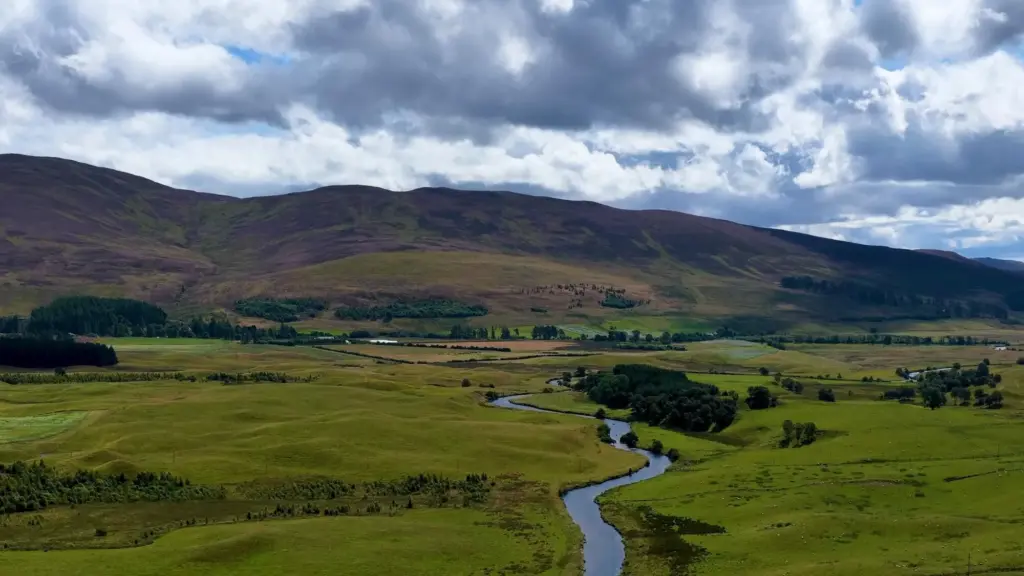
Work through a detailed sequence before that first loop around Windermere: inflate tyres to appropriate pressures, check sidewall cracks, lube chains sparingly, and test brakes under load. Inspect hulls for crazing, rubbing strips, and loose fittings. Replace perished hatch seals, refresh throw lines, and confirm buoyancy aids fit over layered clothing. Finish by practicing reboarding drills near shore, because confidence rebuilt in calm water becomes quiet resilience when a gust sneaks through Ambleside or a wake reaches you unexpectedly.
Weather Windows and Lake Conditions in April and May
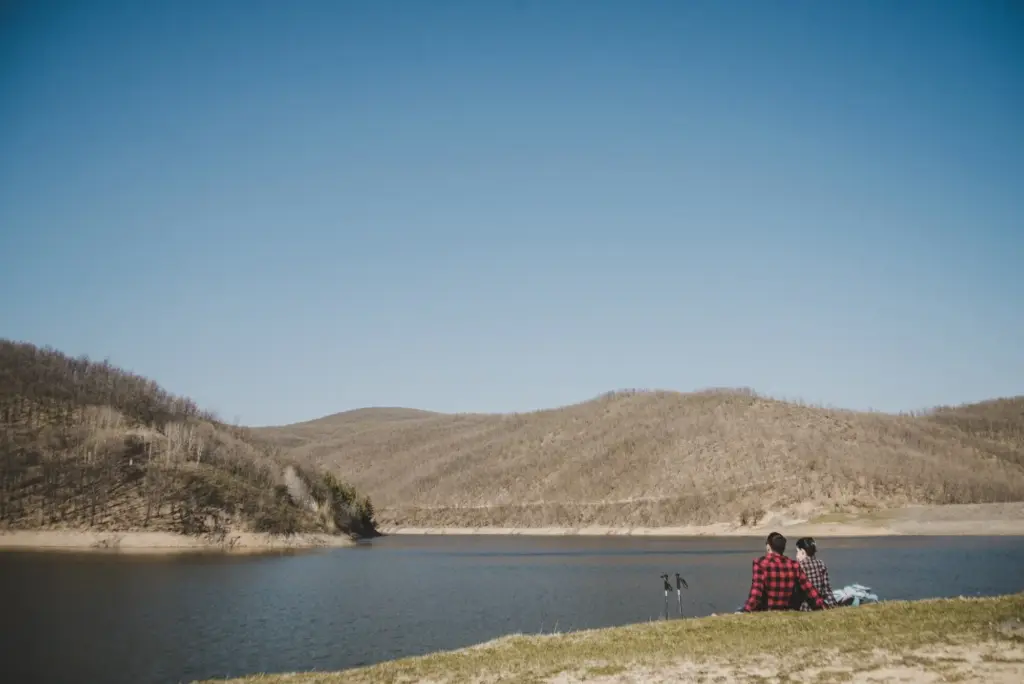
Spring promises beautiful skies between impatient squalls. Read mountain forecasts, not just general apps; ridge winds funnel across water and amplify chop. Favor sheltered traverses along leeward shores, shorten crossings, and time ferry connections to avoid lingering in cold, damp breezes. Carry warm layers in dry bags and pack a hot drink. When the plan feels heroic, choose a conservative variant. Returning early with energy in reserve beats shivering through a stubborn headwind that steals both speed and joy.
Early-Season Wildlife, Nesting Sites, and Respectful Riding
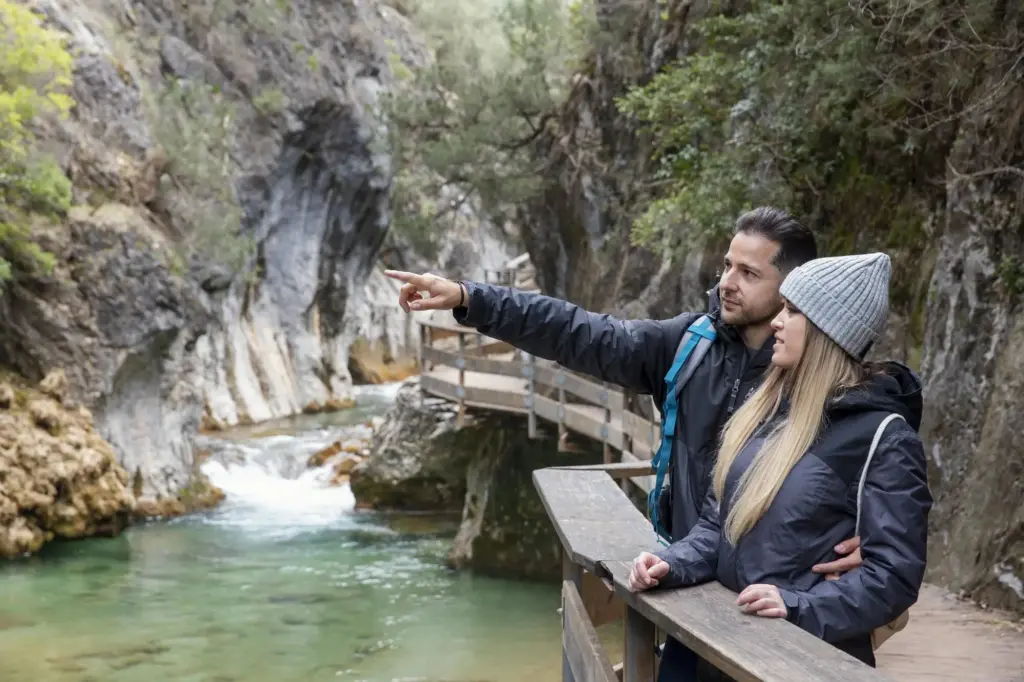
Swans, grebes, and ground-nesting birds defend space fiercely in spring. Give vegetated margins generous arcs, reduce speed near reedbeds, and avoid abrupt landings on quiet beaches where nests may be hidden. On bridleways, linger less at fragile verges, and dismount where hoofprints and soft soils tell you the trail needs mercy. A friendly hello and wide pass ease walkers’ nerves. Your presence can educate without preaching; model considerate distances and show that multi-sport days can remain gentle on living edges.
Summer Crowds, Sun, and Shared Spaces
Long days tempt ambitious circuits and lakeside picnics, yet summer also compresses people into hotspots. Sun exposure multiplies fatigue on reflective water, and popular bridleways demand patient communication. Hydration, sun protection, launch etiquette, and route timing transform bustling scenes into cooperative choreography. Expect queues, embrace smiles, and hold plans loosely. Early starts, shaded ascents, and wind-aware crossings protect energy for playful afternoons. Remember that a simple offer to help steady someone’s bow at a busy slipway earns unexpected allies all day.

Autumn Transitions and Changing Light
As bracken browns and woodsmoke returns, conditions swing quickly between golden and grim. Leaf-slick surfaces challenge braking, winds riffle open water, and daylight vanishes earlier than memory admits. With awareness, autumn becomes atmospheric rather than hazardous. Choose routes framed by escape options, double-check lights, and carry gloves that function wet. Remember that rain-swollen becks hide undergrowth on approaches to quiet shores. Celebrate moodiness through flexible goals, because the Lake District in October rewards those who savor misty moments and remain unhurried.




Layering Systems, Dry Suits, and Extremity Warmth
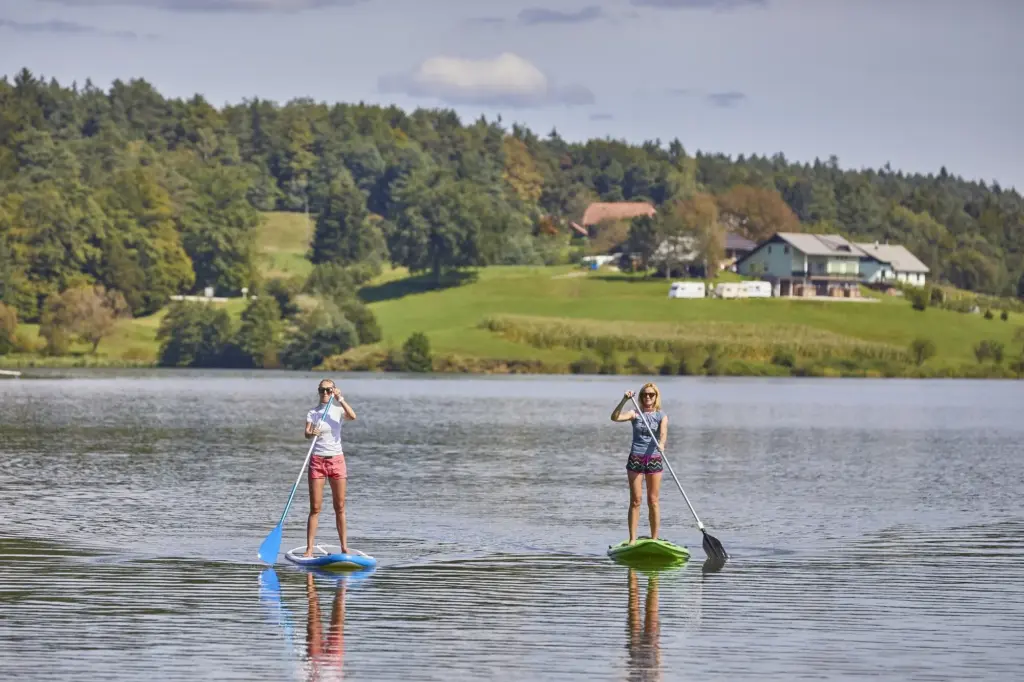
Start warm, stay warm. Use moisture-wicking base layers, insulating mid-layers, and a shell that blocks spray and spindrift. Dry suits change the equation on big lakes; test seals and zipper function before leaving home. Neoprene gloves, pogies, and windproof mitts preserve dexterity for rescues, while insulated footwear keeps pedals friendly. Pack chemical warmers and a microfleece cap for shore breaks. If your hands become clumsy, reduce complexity immediately. Warmth safeguards judgment, and judgment keeps winter’s sharp beauty safely within reach.
Icy Launches, Frozen Locks, and Safe Abort Criteria
Slipways frost early. Carry a small shovel or grit, wear traction aids for brief carries, and move slowly when boats meet slick concrete. Be realistic about frozen rudders and stiff cables. Establish abort triggers before leaving: wind chill thresholds, visibility minima, and time checks that send you home with pride intact. Share signals for cold-stress symptoms and rehearse quick boat-on-boat stabilizations near shore. A dignified retreat, followed by soup in Ambleside, often writes a better memory than stubbornly chasing a brittle plan.
Low-Season Maintenance Routines That Save Money
Rainy Sundays shine for preventative care. Strip drivetrains, refresh cables, and swap tired brake pads before they scar rims on wet descents. On boats, reseal deck lines, lubricate footrest tracks, and replace corroded hardware. Inspect dry bags under bright light for pinholes. Record sizes and part numbers now so spring ordering feels effortless. Thoughtful storage—slight tyre rotation, hull support, and breathable covers—prevents expensive surprises. Maintained gear rides smoother, launches cleaner, and spares you the drama of first-sunshine failures beside shivering water.
Windermere Loops with Ferry Connections
Combine a calm morning paddle along the leeward shore with a mid-route bike segment that leverages the Windermere Ferry when schedules align. Minimize waiting by checking updates early and carrying snacks for cheerful queues. Plot bailout jetties and cafés near Bowness or Ferry House. Keep crossings short if breeze stiffens. Finish with a shoreline spin where quiet lanes track ripples and reflections. By stacking flexible micro-decisions, a simple circuit becomes seamless, trading dead time for gentle glides and easy conversation.

Derwentwater, Borrowdale, and Quiet Shoreline Trails
Derwentwater rewards patience and a poet’s gaze. Paddle early beneath Catbells, then transition to bridleways threading toward Borrowdale’s mossy hush. Choose sections with courteous passing room, and pause often where views widen. Wind shifts around fells; use islands as visual waypoints and shelter. Respect popular jetties by staging transitions away from crowds. If the valley funnels gusts, retreat to wooded singletrack that rides safely even when whitecaps tease the lake. Let kettles and slate-roofed inns bracket the day with warmth.
Packing Smart: Bike-to-Boat Essentials
Every transition counts, and clutter steals time. Build a compact kit that survives spray, bumps, and British surprises. Secure tools so they cannot rattle into bilges, and stash warm layers where fingers find them fast. Communication devices live high and dry, not buried beneath snacks. Balance weight for stable paddling and joyful climbing. Label dry bags by purpose, not color fantasy. When your boat-to-bike ritual feels like choreography, weather interruptions become interludes, not derailments, and companions marvel at your unhurried competence.

Securing a Bike on Deck Without Damage
Protect frames and gel coats alike. Use soft loop straps and foam blocks at contact points, and avoid overly tight tie-downs that stress tubes or deck fittings. Keep pedal teeth away from deck lines with simple covers. Practice the lash at home, then verify trim on calm water. A quick final shake test exposes surprises before chop does. Leave steering free where possible and check for chafe after short hops. The best system disappears into silence, letting landscapes reclaim attention.
Compact Safety Kit: From PLBs to Throw Lines
Pack a throw line you have actually practiced with, not just purchased. Add a whistle, PLB or GPS messenger, foil blanket, compact first aid, and a sharp knife accessible by either hand. Stow headtorch, spare batteries, and simple repair items for both bike and boat. Keep a laminated emergency card with names, conditions, and contact numbers. Redundancy matters most for communication and warmth. Organize by urgent access rather than theoretical logic. In a gusty moment, muscle memory rescues minutes and nerves.
Nutrition Strategy for All-Day Multi-Sport Circuits
Blend slow-burn carbs with salty, chewable snacks that tolerate damp pockets. Schedule small, regular bites to prevent energy troughs that warp judgment near critical crossings. Warm flasks transform morale during chilly transitions. Test foods on benign days, not during ambitious linkups. Pack a little extra for the companion who miscalculated. Caffeine is helpful, but pair it with hydration and patience. Aim to finish with comfortable reserves, remembering that kindness and calories both keep groups cohesive when the final headwind arrives.
Community, Courtesy, and Emergency Preparedness
Shared landscapes thrive when we act like neighbors. Courtesy at launches, gratitude on bridleways, and tidy shorelines build goodwill that outlasts any single outing. Learn local guidance, follow invasive-species protocols like Check, Clean, Dry, and invite dialogue rather than lecture. Prepare for mishaps with clear signals, practiced rescues, and unambiguous call procedures. When uncertainty brews, seek advice from hire shops or clubs. Leave notes, share photos, and encourage others responsibly. Your presence can amplify stewardship while inspiring subscriptions, comments, and future meetups.